AI-assisted web development has made building user interfaces faster than ever. However, it introduces subtle issues in page structure.
What is semantic html hygiene?
When an AI agent is prompted to build a modern layout, it frequently defaults to wrapping every component, paragraph, and link inside nested <div> blocks. In web development, this is known as div-soup. While a browser can render this structure, search engine crawlers (Googlebot, Bingbot) and screen readers struggle to understand the content hierarchy.
To make your vibe-coded application rank and remain accessible, you must enforce strict semantic html hygiene.
What are the primary HTML5 structural elements?
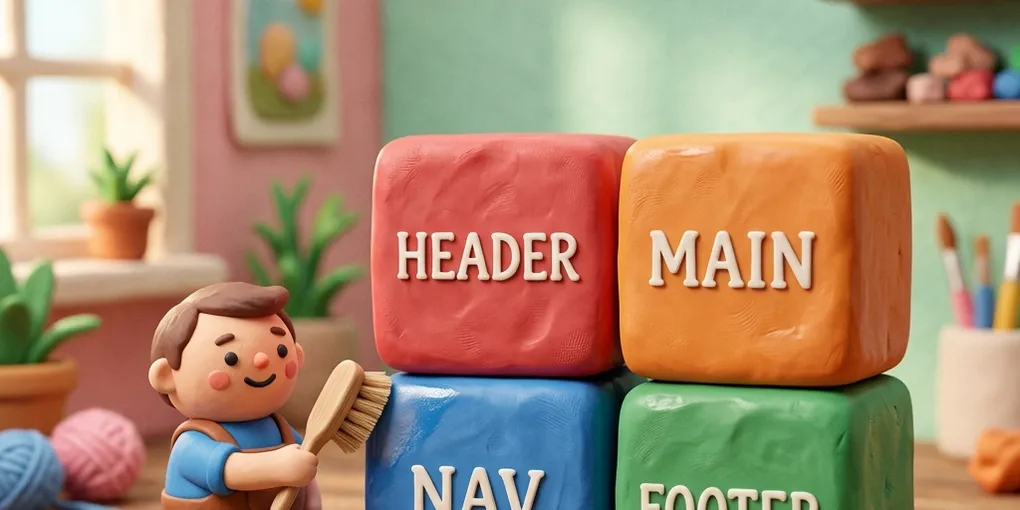
Instead of permitting generic containers, explicitly instruct your agent to utilize HTML5 structural elements:
<header>: Introduces a section or page.<nav>: Holds primary navigation links.<main>: Houses the primary, unique content of the page (only one per page!).<article>: Wraps a self-contained composition (like a blog post, card, or comment).<footer>: Concludes a section or page.
Using these elements ensures that search crawlers can index your page correctly.
How should developers manage heading hierarchy?
Never let an agent style a heading using text sizes on normal paragraphs (e.g. <p class="title">). Use heading elements (<h1> through <h6>) in descending order without skipping levels. Skipping from an <h1> directly to an <h3> breaks semantic outlines.
By putting semantic constraints directly in your instructions (or your .cursorrules), you force the AI to build websites that rank higher and load faster.
How does semantic structure affect SEO and accessibility?
A clean structure directly improves search visibility and screen reader navigation. In 2026, search engines reward pages with well-defined structures because they can parse key data points faster.
For developers using vibe coding tools, continuous quality is essential. You can set up continuous verification of your HTML structure and combine it with strict prompt orchestration to guarantee the model does not emit div-soup.
Sources
- W3C, HTML5 Semantic Web Standards, retrieved 2026-06-17.
- Mozilla Developer Network (MDN), HTML Semantic Elements Reference, retrieved 2026-06-17.
- Google Web Dev, Semantic HTML and Web Accessibility, retrieved 2026-06-17.