AI assistants have become crucial in modern software development. However, every model operates within a strict memory limit.
What is the context window token budget?
Every AI model operates within a finite memory limit called the Context Window. As your coding session progresses, your terminal history, open files, and prompt exchanges consume this memory. If the context window fills up, the agent begins “forgetting” early code decisions, leading to regression bugs.
Managing your token budget is key to maintaining high agent intelligence and accuracy.
How do you maintain context window cleanliness?
To prevent token bloat, you must actively prune what is sent to the model:
- Close Unused Files: Keep only relevant files open. Unnecessary tabs consume valuable context.
- Rules Files: Use rules files like
.cursorrulesorGEMINI.mdto store persistent directives (coding rules, design variable tables) so you don’t have to re-type them in every prompt. - Reset Sessions: If you finish building a component and want to start a new task, clear your chat or start a fresh agent session.
By using modular instructions and prompt orchestration, you can keep the agent focused on the task at hand.
Why are memory systems like cavemem essential?
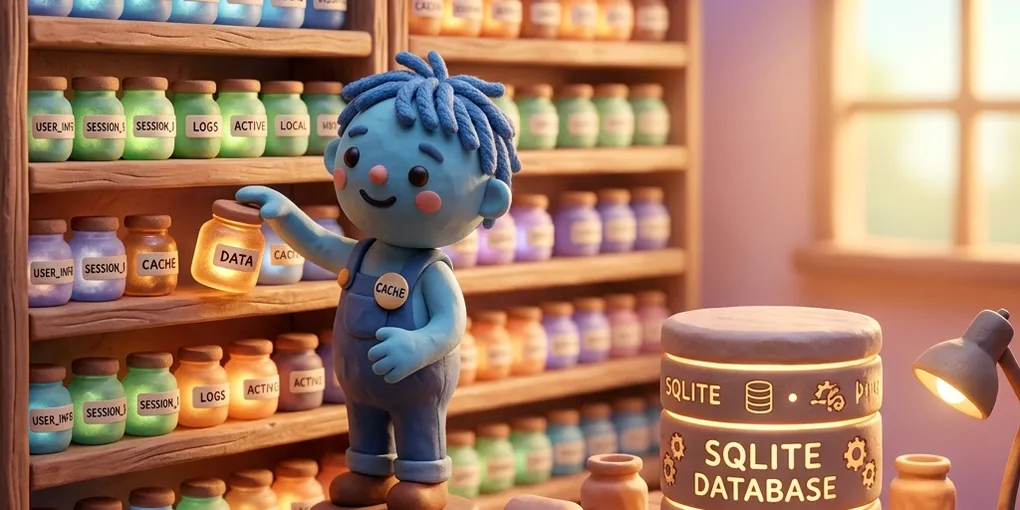
Advanced agents use local SQLite databases (like cavemem) to store long-term cross-session logs.
By indexing past decisions and code structures, memory systems are crucial when using modern vibe coding tools to scale your output, letting agents recall why a specific library was chosen or how a bug was resolved in a previous session, without re-reading the entire project source.
This allows the agent to maintain high performance without sacrificing accuracy or type safety, as detailed in our guide on continuous verification of changes.
How can developers get started with context management?
To implement these strategies, start by creating a .cursorrules file in your project root to document your stack. If your codebase is large, consider running an indexing tool to let the agent retrieve files on demand.
For larger systems, using a local SQLite database helps maintain a structured, queryable history of all model actions and human decisions, ensuring that you can audit changes over time.
Sources
- Anthropic, Claude Models and Context Windows, retrieved 2026-06-17.
- SQLite, SQLite Database Engine, retrieved 2026-06-17.
- OpenAI, Prompt Engineering Guide, retrieved 2026-06-17.